
Style Mistakes That Quietly Dilute an Otherwise Strong Look for Women
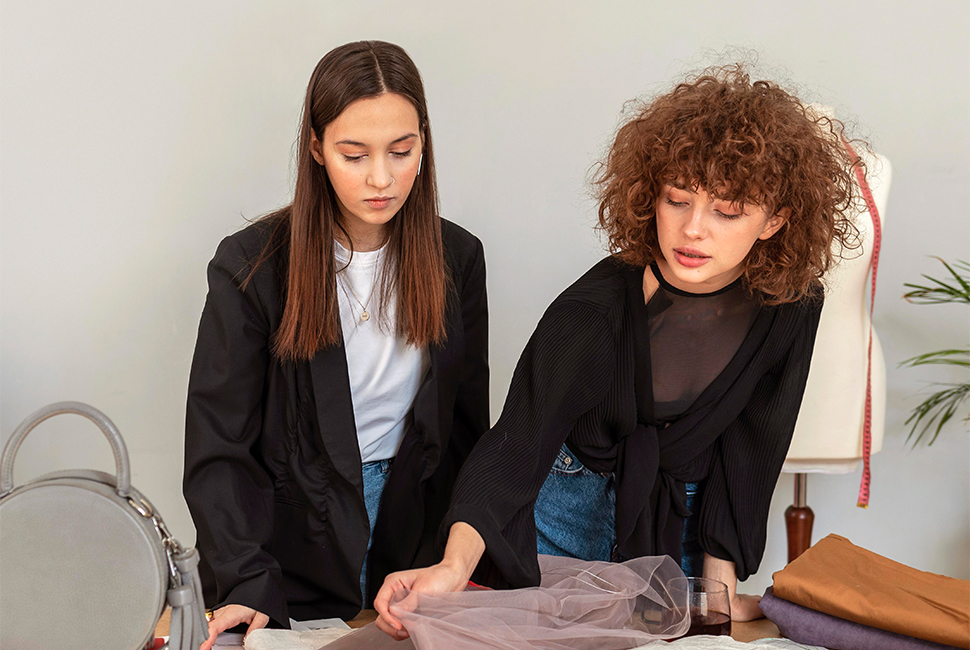
Strong personal style is often subtle, built on careful choices and attention to detail. Even the most thoughtful outfits can lose impact when small missteps go unnoticed. For women, style is less about following trends and more about consistency, balance, and awareness. Avoiding common mistakes ensures that every look feels intentional, polished, and confident.
Many style errors are quiet - they don’t scream but instead slowly weaken presence. Recognizing them can elevate your overall appearance without a complete wardrobe overhaul.
Ignoring Proper Fit
Clothing that doesn’t fit correctly can disrupt even the most elegant outfit. Garments that are too loose or tight distort proportions and can make ensembles appear sloppy. Fit is essential for creating flattering lines and maintaining comfort.
Investing time in understanding how each piece interacts with the body ensures a look that feels intentional and composed, enhancing confidence naturally.
Overcomplicating Outfits
Adding too many elements can overwhelm an outfit. Layering patterns, textures, or conflicting colors creates visual noise that distracts from the overall look. A strong outfit often relies on simplicity and balance rather than complexity.
Minimalism in styling allows the natural strength of your clothing to shine, making your appearance more cohesive and polished.
Neglecting Seasonal Appropriateness
Wearing fabrics or weights that do not align with the weather can make an outfit feel off. Heavy materials in warm weather or overly light fabrics in cold months affect comfort and posture, subtly weakening the impression of confidence.
Being mindful of seasonal adaptation ensures that style feels natural, practical, and visually coherent.
Disregarding Color Harmony
Clashing colors or mismatched tones quietly dilute the strength of an outfit. Even subtle imbalances can create tension that distracts from the overall appearance. Understanding which colors complement one another and which tones enhance personal features strengthens impact.
A consistent color palette across ensembles creates cohesion and visual appeal, making outfits appear thoughtfully curated.
Ignoring Silhouette Balance
Proportion is critical for strong style. Outfits that disrupt natural lines or create uneven shapes can diminish visual impact. Balancing proportions - between fitted and relaxed pieces, structured and fluid fabrics - ensures harmony throughout the ensemble.
Maintaining silhouette awareness enhances elegance and presence, quietly elevating even simple combinations.
Overlooking Details and Finishes
Details like edges, seams, and construction affect how clothing reads visually. Worn edges, uneven hems, or unfinished finishes distract from the intended style. Small refinements can transform ordinary pieces into sharp, polished looks.
Attention to detail reinforces the quality of an outfit and shows care without drawing unnecessary attention.
Neglecting Movement and Comfort
Clothing that restricts movement can undermine confidence. Discomfort often affects posture, gestures, and overall presence. A look may be visually appealing but appear unnatural if the wearer cannot move freely.
Prioritizing comfort allows style to feel authentic, strengthening the connection between clothing and confidence.
Forgetting Context and Occasion
Even a stylish outfit can falter when it doesn’t suit the setting. Ignoring context - whether work, social gatherings, or casual environments - reduces perceived sophistication. Appropriate dressing demonstrates awareness and refinement.
Aligning outfits with surroundings ensures style is respected and appreciated without overstatement.
Repeating Weak Habits
Repeatedly wearing the same mismatched combinations or ignoring feedback can quietly weaken overall style. Personal style evolves through reflection and adaptation. Observing what works and what doesn’t allows refinement over time.
Consistency in evaluating choices fosters stronger style habits that compound daily.
Relying Solely on Trends
Chasing every new trend can obscure personal identity. While trends can inspire, overreliance often creates confusion in visual messaging. A strong look is defined by coherence rather than constant novelty.
Integrating trends selectively, while staying true to individual taste, ensures longevity and authenticity in style.